
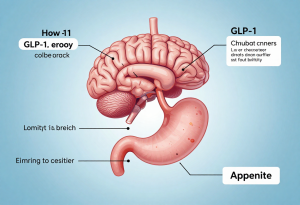
GLP-1 weight loss medications have become one of the most talked-about developments in modern weight management. Originally created to support people with type 2 diabetes, these medications are now widely recognised for their effectiveness in helping individuals lose weight by addressing appetite, hunger cues, and metabolic regulation. As interest grows, it’s important to understand how GLP-1 medications work, who they may be suitable for, and how they fit into a sustainable approach to health.
GLP-1 stands for glucagon-like peptide-1, a hormone naturally produced in the body. This hormone plays a key role in regulating blood sugar levels and appetite. After eating, GLP-1 is released in the gut and sends signals to the brain that promote feelings of fullness. GLP-1 weight loss medications mimic this natural hormone, enhancing its effects and helping people feel satisfied with smaller portions while reducing frequent hunger and cravings.
One of the main reasons GLP-1 medications have gained popularity is their ability to support weight loss without relying solely on willpower. Many people struggle with weight because of biological factors such as hormonal imbalances, insulin resistance, or persistent hunger signals. GLP-1 medications work with the body’s natural systems, slowing gastric emptying and increasing satiety, which can make it easier to maintain a calorie deficit over time.
Another benefit of GLP-1 weight loss medications is their impact on blood sugar control. By improving insulin response and reducing spikes in blood glucose, these medications can support overall metabolic health. This is particularly beneficial for individuals who are overweight and at risk of developing type 2 diabetes or other metabolic conditions. For many patients, weight loss achieved with GLP-1 therapy also leads to improvements in cholesterol levels, blood pressure, and overall energy levels.
That said, GLP-1 medications are not a quick fix or a replacement for healthy habits. They are most effective when combined with balanced nutrition, regular movement, and lifestyle changes that support long-term wellbeing. While the medication can reduce appetite, learning how to nourish the body with whole foods and adequate protein remains essential. Many healthcare providers encourage patients to view GLP-1 treatment as a tool—one part of a broader health strategy rather than a standalone solution.
Like all medications, GLP-1 treatments may come with side effects. The most common include nausea, digestive discomfort, or reduced appetite, particularly during the early stages as the body adjusts. These effects are often temporary and can be managed by following medical guidance and making gradual dietary changes. It’s important that anyone considering GLP-1 weight loss medication does so under the supervision of a qualified healthcare professional who can assess suitability and provide ongoing support.
There is also an important conversation around expectations. Weight loss with GLP-1 medications tends to be gradual and steady rather than instant. This slower pace is often more sustainable and helps preserve muscle mass while reducing fat. Equally important is planning for long-term maintenance. Developing habits around eating, movement, and mindset during treatment can make it easier to maintain results if the medication is reduced or stopped in the future.
GLP-1 weight loss medications represent a significant shift in how obesity and weight management are approached—moving away from blame and toward biology-based solutions. For many people, they offer renewed hope, improved confidence, and a healthier relationship with food. When used responsibly and as part of a comprehensive health plan, GLP-1 medications can be a powerful support on the journey toward sustainable weight loss and overall wellbeing.