
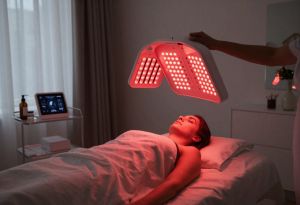
Red light therapy, also known as photobiomodulation, is quickly becoming one of the most exciting trends in health, skincare, fitness, and recovery. Once used primarily in clinical and sports medicine settings, red light therapy is now widely available through home devices, wellness studios, and gyms. Its growing popularity is driven by emerging research suggesting it may support cellular health, reduce inflammation, improve skin quality, and enhance overall wellbeing.
Red light therapy works by exposing the body to specific wavelengths of red and near-infrared light. Unlike ultraviolet light, these wavelengths do not damage the skin. Instead, they penetrate the skin and reach the mitochondria — the energy-producing structures inside cells. When stimulated by light, mitochondria may produce more adenosine triphosphate (ATP), which fuels cellular repair, regeneration, and performance. In simple terms, red light helps cells function more efficiently.
One of the most well-known benefits of red light therapy is skin health and anti-ageing support. Many users report improvements in skin tone, texture, elasticity, and reduced appearance of fine lines. Red light may stimulate collagen production, improve circulation, and reduce inflammation, making it popular in cosmetic and dermatology spaces. Unlike invasive treatments, red light therapy is non-invasive and generally well tolerated.
Athletes and active individuals increasingly use red light therapy for muscle recovery and pain relief. Exposure to near-infrared light may reduce muscle soreness, joint stiffness, and inflammation after workouts or physical strain. Improved circulation and cellular repair may accelerate healing time and support consistent training performance.
Another emerging area of interest is energy levels and fatigue reduction. By supporting mitochondrial function, red light therapy may improve cellular energy production. Some users report increased vitality, reduced brain fog, and improved focus after regular sessions. This has made red light therapy appealing to individuals managing busy lifestyles, high stress, or recovery from illness.
Red light therapy is also being explored for its potential impact on sleep quality and circadian rhythm regulation. Certain wavelengths may support melatonin production and nervous system balance when used appropriately. Improved sleep can further enhance immune function, mental clarity, and emotional wellbeing.
Mental wellness is another growing application. Some studies suggest red light exposure to specific areas may support mood regulation and cognitive function by improving blood flow and reducing neuroinflammation. While research is still developing, early findings are promising.
Accessibility has played a major role in the rise of this trend. Compact panels, handheld devices, and wearable light tools allow people to integrate sessions into their daily routines at home. Sessions typically last between 5 and 20 minutes depending on device strength and treatment area.
Consistency is key for noticeable results.
Safety remains important. While red light therapy is considered low risk, users should follow manufacturer guidelines, avoid excessive exposure, protect the eyes when recommended, and consult a healthcare professional if they have medical conditions or are using photosensitive medications.
As technology continues to advance, red light therapy represents a fascinating intersection of science and self-care. Its ability to support healing, recovery, energy, and longevity makes it a compelling addition to modern wellness routines. While it is not a replacement for healthy nutrition, movement, and sleep, red light therapy may serve as a valuable complementary tool for optimising overall health and performance.