
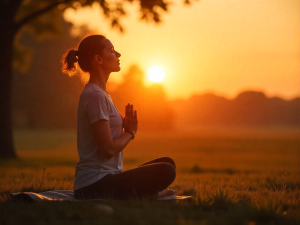
In a world of constant stimulation, fast-paced schedules, and rising stress levels, many people are searching for natural ways to restore balance and mental clarity. Breathwork and nervous system regulation have emerged as powerful wellness trends, supported by science and embraced across mental health, fitness, productivity, and holistic healing communities. By consciously controlling breathing patterns, individuals can directly influence the body’s stress response, emotional state, and physical performance.
The nervous system consists of two main branches: the sympathetic nervous system, responsible for the “fight or flight” response, and the parasympathetic nervous system, which governs rest, recovery, and digestion. Chronic stress keeps many people locked in a heightened sympathetic state, leading to anxiety, fatigue, sleep disturbances, hormonal imbalance, and weakened immunity. Breathwork acts as a bridge between conscious control and automatic nervous system regulation, allowing the body to shift back into a calm, restorative mode.
One of the most popular benefits of breathwork is stress reduction and emotional balance. Slow, controlled breathing stimulates the vagus nerve, which activates the parasympathetic nervous system and lowers cortisol levels. This helps reduce anxiety, calm racing thoughts, stabilise mood, and improve emotional resilience. Many people experience immediate relaxation after just a few minutes of intentional breathing.
Breathwork also enhances mental clarity, focus, and cognitive performance. Improved oxygen delivery to the brain supports concentration, memory, and creativity. Techniques such as box breathing or rhythmic breathing are commonly used by athletes, executives, and high-performance professionals to sharpen focus and remain calm under pressure.
Physical health benefits extend to improved sleep quality and energy regulation. Evening breathwork routines help the nervous system unwind, making it easier to fall asleep and stay asleep. Morning breathing practices can increase alertness and circulation without relying on stimulants. Over time, consistent breathwork improves respiratory efficiency and oxygen utilisation, supporting endurance and vitality.
Another growing area of interest is trauma release and emotional healing. Certain breathwork practices encourage the release of stored tension and suppressed emotions, supporting nervous system recalibration. Many therapists integrate breathwork into trauma-informed care, mindfulness programs, and somatic therapy approaches.
Athletes and fitness enthusiasts use breathwork to improve performance, recovery, and endurance. Controlled breathing enhances lung capacity, carbon dioxide tolerance, and heart rate variability — key markers of cardiovascular health and stress resilience. Post-exercise breathwork accelerates recovery and reduces inflammation by calming the nervous system.
Breathwork remains accessible and low-cost. No equipment is required, and sessions can range from short two-minute resets to guided longer practices. Popular techniques include diaphragmatic breathing, nasal breathing, box breathing, coherent breathing, and guided transformational breathwork sessions.
However, not all breathwork styles suit everyone. Intense techniques may cause dizziness or emotional release, especially for beginners or individuals with medical conditions. Starting gently and seeking professional guidance when necessary ensures safe and effective practice.
Breathwork’s growing popularity reflects a deeper shift toward self-regulation, mindfulness, and preventative health. As people seek natural tools to manage stress and optimise performance, breathwork offers a simple yet profound way to reconnect with the body’s innate ability to heal, balance, and thrive.