
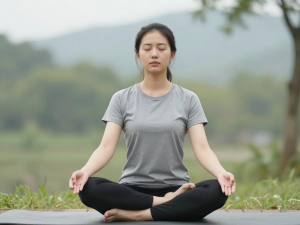
Breathwork has rapidly moved from ancient spiritual traditions into mainstream health and wellness culture. Once associated mainly with yoga and meditation, conscious breathing techniques are now being embraced by athletes, therapists, executives, and everyday wellness seekers. The reason is simple: breathwork directly influences the nervous system, offering a powerful way to regulate stress, improve focus, and enhance overall wellbeing.
Every breath you take sends signals to your brain about whether you are safe or under threat. Shallow, rapid breathing activates the sympathetic nervous system, also known as the fight-or-flight response. This can increase heart rate, raise stress hormones, and heighten anxiety. Slow, controlled breathing activates the parasympathetic nervous system, which promotes relaxation, recovery, and emotional balance. Breathwork teaches people how to consciously shift between these states, giving them more control over their physical and mental responses.
One of the most significant benefits of breathwork is its ability to reduce stress and anxiety. When practiced consistently, breathing techniques lower cortisol levels, calm racing thoughts, and create a sense of grounding. Even a few minutes of slow breathing can signal the body to relax, making breathwork an accessible tool for managing daily pressure, work demands, and emotional overwhelm.
Breathwork also improves energy and mental clarity. Oxygen is essential for brain function, circulation, and cellular energy production. Deep, rhythmic breathing increases oxygen delivery and improves carbon dioxide balance in the blood. Many people report feeling more alert, focused, and mentally sharp after a short breathing session—without the need for stimulants like caffeine.
Another emerging benefit is breathwork’s impact on emotional regulation and trauma release. Certain guided breathing practices help access stored tension in the body, allowing individuals to process emotions and release physical stress. This mind–body connection supports emotional resilience and self-awareness, making breathwork increasingly popular in mental health and personal development spaces.
Breathing techniques can also enhance physical performance and recovery. Athletes use breathwork to improve lung capacity, endurance, and oxygen efficiency. Controlled breathing before workouts improves focus and coordination, while slow breathing after exercise supports faster recovery and nervous system calming.
The beauty of breathwork lies in its simplicity and accessibility. No equipment is needed, and sessions can range from one minute to longer guided practices. Popular techniques include box breathing, nasal breathing, extended exhale breathing, and coherent breathing. Each method offers different benefits depending on the desired outcome—whether calming the mind, boosting energy, or improving sleep quality.
Breathwork also supports better sleep and relaxation. Practicing slow breathing before bed helps quiet the nervous system and prepare the body for rest. This can improve sleep onset, reduce nighttime anxiety, and enhance overall sleep quality.
Safety is important when practicing advanced breathwork techniques. While gentle breathing exercises are safe for most people, intense or prolonged breath-holding practices should be learned with proper guidance. Individuals with respiratory conditions, cardiovascular concerns, or anxiety disorders should consult a professional before engaging in more advanced methods.
As modern life continues to accelerate, people are seeking natural tools to restore balance and resilience. Breathwork offers a science-backed, cost-free, and empowering solution that reconnects individuals with one of the body’s most fundamental functions. By learning to breathe intentionally, people can regulate their nervous systems, enhance emotional wellbeing, and build a calmer, more focused way of living—one breath at a time.