
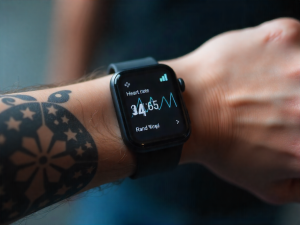
From fitness trackers to smart rings to embedded sensors, wearable health technology has become one of the fastest-growing trends in wellness and medicine. Today’s devices do far more than count steps or calories; they collect detailed biometric data that can help users understand their bodies like never before — in real time and with personalised insights.
Wearable tech refers to devices worn on the body that monitor health-related metrics such as heart rate, respiratory rate, sleep cycles, body temperature, blood oxygen levels, stress indicators, and even blood pressure and glucose patterns. Combined with powerful smartphone apps and cloud analytics, wearable technology is transforming how we approach preventative health, chronic conditions, recovery, sleep optimisation, and daily performance.
From Simple Trackers to Medical-Grade Insights
The earliest wearable devices were primarily fitness gadgets — step counters and basic heart rate monitors. However, accelerated innovation has pushed wearable technology into biometric intelligence. Modern devices can detect subtle physiological changes, alert users to trends, and even predict potential health issues before obvious symptoms appear.
For example, advanced wearables can identify irregular heart rhythms (such as atrial fibrillation), monitor sleep stages with surprising accuracy, and detect changes in resting heart rate or skin temperature that may signal stress, dehydration, infection, or overtraining. Some systems now integrate artificial intelligence to give users real-world recommendations — like adjusting sleep schedules, pacing exercise intensity, or identifying stress triggers in daily life.
Wearables in Preventative and Personalised Health
One of the most powerful features of wearable health tech is its ability to support preventative health strategies. Instead of waiting for symptoms, users receive continuous feedback that highlights patterns over weeks, months, and years. This creates opportunity for early intervention — and in some cases, behavioural change that reduces long-term disease risk.
For example, someone with elevated resting heart rate and poor sleep patterns might be prompted to adjust stress management practices, increase restorative sleep time, or seek medical evaluation. These incremental shifts can have big impacts on overall health, yet they often go unnoticed without high-resolution data.
Wearables also enable personalised wellness plans. Fitness and sleep recommendations are no longer based on generic population averages; they’re tailor-made to an individual’s physiology. Athletes can optimise training loads, students can improve focus and sleep quality, and older adults can track fall risk or blood pressure trends — all through wearable feedback.
Integration With Healthcare Systems
Increasingly, wearable data is being incorporated into clinical care. Some healthcare providers now review patient sensor data to support diagnoses, monitor chronic conditions, and refine treatment plans. Remote patient monitoring — enhanced by wearable tech — has grown in popularity, especially for managing conditions like heart disease, diabetes, and respiratory disorders.
This trend not only improves health outcomes but also reduces the pressure on healthcare systems by allowing care to occur outside traditional clinical settings. Patients and doctors can share real-time insights that inform better decisions and reduce unnecessary hospital visits.
Privacy, Security, and Ethical Considerations
While wearable health tech offers remarkable benefits, it also raises important questions about data privacy and security. Biometric data is deeply personal, and users should choose platforms that prioritise robust encryption, transparent privacy policies, and responsible data use. Additionally, technology should support — not replace — meaningful human care and professional medical guidance.
Users should also be cautious about overinterpretation. Wearables are powerful monitoring tools, but they are not diagnostic devices. When anomalous readings persist, they should be discussed with healthcare professionals rather than interpreted in isolation.
The Future of Wearable Health Tech
As sensors become more advanced and artificial intelligence more integrated, wearables will continue to evolve. Future innovations might include smart clothing with embedded biosensors, glucose monitoring without needles, stress detection with neural feedback, and real-time metabolic analytics.
What’s clear is that wearable health technology is moving beyond fitness trends into everyday health empowerment. By giving individuals actionable insights into their bodies, wearables are helping people live healthier, more informed, and more proactive lives — one biometric signal at a time.