
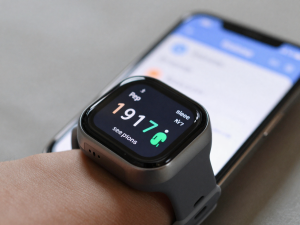
Sleep is no longer viewed as simply downtime. It is now recognised as one of the most powerful foundations of physical health, mental clarity, immune function, and longevity. As awareness grows around the importance of high-quality sleep, smart sleep technology has emerged as a major wellness trend, offering innovative tools that help individuals monitor, optimise, and personalise their sleep patterns.
Smart sleep technology includes wearable trackers, smart mattresses, sleep rings, bedside sensors, light therapy devices, temperature-regulating bedding, and AI-powered sleep apps. These tools collect data on sleep stages, heart rate, breathing patterns, movement, oxygen levels, room temperature, and noise exposure. By analysing this information, users gain insights into how lifestyle habits influence sleep quality and recovery.
One of the biggest advantages of smart sleep technology is personalised sleep optimisation. Rather than relying on generic sleep advice, individuals can identify specific patterns affecting their rest — such as late caffeine intake, screen exposure, irregular bedtimes, stress levels, or room temperature. This data-driven approach empowers people to make targeted adjustments that improve sleep efficiency and consistency.
Another major benefit is enhanced recovery and performance. Deep sleep and REM sleep are critical for muscle repair, memory consolidation, hormone regulation, and immune support.
Athletes and professionals increasingly use sleep metrics to optimise training schedules, workload balance, and recovery strategies. Better sleep quality often translates into improved energy levels, focus, mood stability, and resilience.
Smart technology also helps support circadian rhythm alignment. Light exposure plays a major role in regulating the body’s internal clock. Smart lighting systems and sunrise alarm clocks gradually adjust brightness and colour temperature to mimic natural daylight cycles, supporting healthy melatonin production and smoother wake-up transitions. Temperature-controlled mattresses can automatically cool the body during deeper sleep stages and warm it toward morning, enhancing comfort and sleep continuity.
Sleep tracking can also help identify potential health concerns. Irregular breathing patterns, persistent low oxygen levels, elevated resting heart rate, or chronic sleep fragmentation may signal underlying issues such as sleep apnea, stress overload, or cardiovascular strain. While consumer devices are not diagnostic tools, they can encourage early awareness and professional consultation when patterns consistently appear abnormal.
Mental wellbeing benefits strongly from improved sleep optimisation. Consistent, high-quality rest supports emotional regulation, memory, creativity, stress tolerance, and decision-making. Many users report reduced anxiety, sharper concentration, and improved productivity after using sleep data to build healthier nighttime routines.
Convenience and accessibility continue to drive the popularity of smart sleep tools. Many devices sync seamlessly with smartphones, providing easy-to-read dashboards, trend analysis, and coaching recommendations. Some platforms even integrate with fitness trackers, nutrition apps, and wellness platforms to create a complete health ecosystem.
However, balance is important. Over-monitoring sleep data can sometimes create anxiety or obsession, known as orthosomnia. The goal of smart sleep technology is empowerment, not perfection. Users should focus on long-term trends rather than nightly fluctuations and maintain flexibility in their routines.
Smart sleep technology works best when combined with healthy sleep hygiene habits such as consistent bedtimes, reduced evening screen exposure, calming bedtime rituals, adequate daylight exposure, physical activity, and balanced nutrition. Technology enhances these habits — it does not replace them.
As digital health continues to evolve, smart sleep technology represents a powerful intersection of science, data, and self-care. By transforming sleep into a measurable and optimisable pillar of health, these tools are helping individuals unlock deeper rest, faster recovery, and greater long-term wellbeing.