
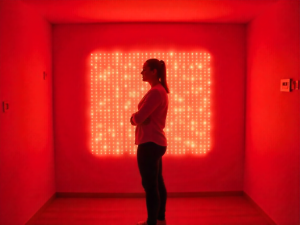
Red light therapy, also known as photobiomodulation, has quickly evolved from a clinical treatment into a mainstream wellness trend embraced by athletes, biohackers, skincare enthusiasts, and health professionals. Using specific wavelengths of red and near-infrared light, this non-invasive therapy stimulates cellular function, promotes tissue repair, reduces inflammation, and supports overall vitality. As technology becomes more accessible for home use, red light therapy is rapidly transforming everyday health routines.
At a cellular level, red and near-infrared light penetrate the skin and are absorbed by mitochondria — the energy-producing structures inside cells. This light energy helps stimulate the production of adenosine triphosphate (ATP), the body’s main energy molecule. When cells produce more energy, they can repair, regenerate, and function more efficiently. This fundamental process explains why red light therapy influences so many areas of health.
One of the most popular applications of red light therapy is skin rejuvenation and anti-ageing. Light wavelengths stimulate collagen and elastin production, helping improve skin firmness, texture, and elasticity. Regular sessions may reduce fine lines, wrinkles, acne, redness, and uneven pigmentation while supporting faster wound healing. Unlike harsh treatments, red light therapy is gentle, painless, and suitable for most skin types.
Another major benefit is muscle recovery and pain relief. Red light penetrates deep into muscle tissue and joints, helping reduce inflammation and improve circulation. This supports faster recovery after workouts, reduces stiffness, and alleviates chronic aches or joint discomfort. Many athletes incorporate red light sessions into their training recovery routines to enhance performance and reduce injury risk.
Red light therapy also supports mental clarity, mood balance, and energy levels. By improving mitochondrial efficiency and circulation, users often experience increased alertness, improved focus, and reduced fatigue. Some studies suggest light exposure may help regulate circadian rhythms, supporting better sleep quality when used appropriately earlier in the day.
Inflammation reduction is another powerful benefit. Chronic inflammation contributes to many modern health challenges including joint pain, metabolic imbalance, immune dysfunction, and accelerated ageing. Red light therapy may help calm inflammatory pathways while promoting faster tissue repair, making it useful for both preventative wellness and rehabilitation.
An exciting emerging area is hormonal and metabolic support. Some research indicates that red and near-infrared light exposure may positively influence thyroid function, testosterone levels, and insulin sensitivity when used correctly. This has increased interest among individuals seeking natural methods to optimise hormone balance and metabolic efficiency.
Red light therapy is available in various formats, including full-body panels, face masks, handheld devices, and targeted lamps. Session lengths typically range from 5 to 20 minutes depending on device strength and treatment goals. Consistency is key — regular use over weeks or months delivers the best results.
Safety remains important. Eye protection should be used when recommended, and overexposure should be avoided. Individuals with photosensitivity, medical implants, or certain conditions should consult a healthcare professional before starting therapy.
As the demand for non-invasive, science-backed wellness solutions continues to rise, red light therapy stands out as a powerful tool for optimising skin health, recovery, energy, and longevity. Its simplicity, safety profile, and wide-ranging benefits make it one of the most promising health trends of the modern era.